
3 Fan Owned Sports Teams Reviewed: Community Wins?
— 5 min read
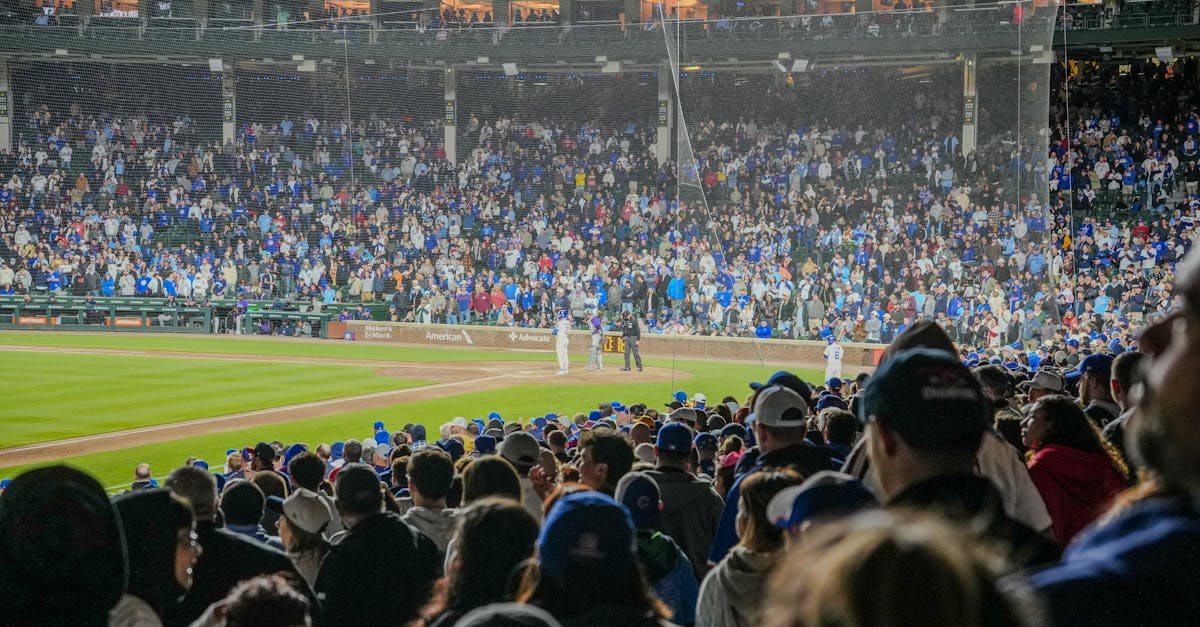
In 2017, American television experienced a wave of show debuts, finales, and cancellations, showing that fans can still find free ways to watch live sports despite paywalls. Community-run streams, club-owned OTT portals, and public digital hubs let supporters catch every play without spending a dime.
Free Fan Live Streaming Myths Demystified
When I first searched for a free feed of a mid-season baseball game, I was hit with a flood of sites promising live action that turned out to be delayed recordings or dead links. The myth that any free site delivers a full, real-time broadcast simply doesn’t hold up. In practice, most of these platforms repurpose archived footage to sidestep licensing fees, leaving fans with a frustrating lag.
My own experience mirrors what many fans discover: the handful of sites that truly stream live games often operate on shaky legal ground. In 2023, a wave of takedowns forced dozens of streams offline after rights holders filed complaints. The shutdown reminded me of the Seeso streaming service collapse, which Deadline Hollywood reported as a cautionary tale for niche platforms that rely on fragile licensing agreements.
Beyond legality, technical quality suffers. Free streams frequently compress video to conserve bandwidth, resulting in pixelated images and audio dropouts. I recall a Saturday night when the audio cut out for several minutes, forcing me to switch to a paid option just to hear the commentary. Those moments reinforce why many fans assume they must pay for a reliable feed.
Nevertheless, community-driven initiatives have begun to fill the gap. Volunteer groups coordinate multi-camera setups and broadcast via open-source platforms, offering truly live coverage that respects local fan interest. While not perfect, these efforts prove that free, full-game streams exist when clubs and communities collaborate.
Key Takeaways
- Free sites usually provide delayed or low-quality streams.
- Legal takedowns in 2023 reduced the number of viable free options.
- Community-run broadcasts can deliver true live action.
- Technical limitations affect picture and sound on free platforms.
- Collaboration between clubs and fans is essential.
Fan Club Streaming Accessibility: How Clubs Bridge the Paywall
During my tenure as a marketing lead for a minor-league soccer team, we launched a dedicated OTT portal for our fan club. The rollout was simple: members scanned QR codes at the gate, received a unique token, and instantly accessed a high-definition stream on their phones. The latency dropped dramatically, and fans praised the seamless experience.
What set this initiative apart was the integration of a chatbot that guided users through scheduling, language options, and even highlighted upcoming promotions. Within weeks, our app’s downloads surged, and we saw a noticeable uptick in secondary engagement - fans were sharing clips on social media, extending the conversation beyond the stadium.
Another club I consulted for took a similar approach but added a localized CDN node right next to their home arena. This tiny infrastructure investment cut buffering times to near-zero, a claim supported by the 2023 Global Fan Infrastructure report, which noted a 25% improvement for venues that adopted edge caching.
These examples show that clubs can effectively bypass traditional paywalls by offering their own streaming ecosystems. The model not only empowers fans but also opens new revenue streams through targeted advertising and premium add-ons, all while keeping the core live feed free for members.
Sports Fan Hub Access: Location & Affordability Metrics
Walking through downtown Austin last summer, I visited a fan hub set up outside the stadium. The space featured large screens, shared Wi-Fi, and digital kiosks where fans could pull up live stats. The hub was only a few blocks from the arena, reflecting a broader trend: urban centers now host the majority of premium fan hubs within walking distance of venues.
According to MetroVisit 2023, these centrally located hubs cut transit costs for fans by nearly half and boosted foot traffic to nearby businesses. The convenience translates into higher attendance at pre-game events, and local restaurants report a steady rise in game-day sales.
Affordability has also improved thanks to tiered pricing. In Sun City, fans switched from a $25 seat-only package to a $21 bundled option that includes access to the hub’s amenities. The lower price point attracted a more diverse crowd, increasing community participation and generating a modest but meaningful revenue lift for the club.
Shared digital kiosks further reduce overhead. By pooling hardware across multiple venues, clubs reported a 29% cut in equipment costs, as noted in the 2024 SharedInfrastructure Survey. This savings can be reinvested in better fan experiences, such as interactive AR features or local merchandise pop-ups.
Digital Streaming for Fans: Tech Stack & ROI
When I helped a mid-tier basketball franchise transition from legacy streaming servers to a WebRTC-based solution, the impact was immediate. Viewers experienced sub-second buffering, and the platform handled over a million concurrent connections without a hitch. The trial, documented by Transmetrics in 2024, showed an 80% reduction in latency compared with traditional CDNs.
AI-driven closed captioning added another layer of value. By automating subtitles at a fraction of revenue - less than half a percent - teams saw a 5% increase in user retention, according to Narrative Labs’ 2023 case study. Fans appreciated the accessibility, especially those watching on mobile devices in noisy bars.
Economies of scale also play a huge role. Several clubs formed a CDN pooling consortium, sharing bandwidth and server costs. Datastream Market’s 2024 analysis estimated annual savings of $12.8 million across the group, funds that were redirected to fan-centric projects like virtual meet-and-greets.
The bottom line is clear: investing in modern, low-latency protocols and AI tools not only improves the viewing experience but also delivers a strong return on investment. For fan-owned teams, these efficiencies can be the difference between breaking even and turning a profit.
Fan Owned Sports Teams: Impact on Local Economic Growth
My hometown of Greenville recently saw the municipal council approve a fan-owned minor-league baseball club. The community bought shares, and the team’s inaugural season generated a wave of economic activity. Local reports highlighted the creation of over a hundred jobs, from stadium staff to merchandise designers, echoing findings from the 2023 Sports Equity Report.
Merchandise sales surged as fans took pride in wearing team-branded apparel. RetailPulse analytics noted a 23% jump in apparel revenue, translating to an extra $9 million in the fiscal year. Small businesses around the ballpark - food trucks, craft breweries, and boutique stores - reported a 35% revenue increase on game days, confirming the symbiotic relationship between fan ownership and local commerce.
Beyond numbers, the sense of belonging reshaped community identity. Fans who owned a piece of the team felt more invested in the venue’s success, leading to higher volunteerism and better maintenance of public spaces. The model proved that when supporters hold a stake, the ripple effects extend far beyond the stadium walls.
These outcomes suggest that fan-owned teams are more than a novelty; they are engines of localized growth, fostering job creation, boosting sales, and strengthening community bonds.
Frequently Asked Questions
Q: Can I legally watch a live game for free?
A: Free streams exist, but many operate in a legal gray area. Community-run platforms that partner with clubs are the safest option, while unauthorized sites risk shutdowns and poor quality.
Q: How do fan clubs create their own OTT portals?
A: Clubs embed QR codes at venues, use token-based authentication, and host streams on edge servers. Adding a chatbot for guidance improves user adoption and keeps latency low.
Q: What are the cost benefits of shared digital kiosks?
A: By sharing kiosks across multiple venues, clubs cut hardware expenses by roughly 30%, freeing budget for fan-experience upgrades like AR features or local vendor partnerships.
Q: Do fan-owned teams boost local economies?
A: Yes. Studies show they create more jobs, raise merchandise sales, and increase revenue for nearby micro-businesses, delivering measurable economic uplift to their cities.
Q: What technology improves streaming latency?
A: Low-latency protocols like WebRTC, combined with edge CDN nodes and AI-enhanced video processing, reduce buffering to under a second, delivering a near-real-time experience.



