
5 Families Save 70% Seats with Fan-Owned Sports Teams
— 6 min read
Why Fan-Owned Teams Slash Ticket Prices
Families can keep more of their paycheck by buying seats from fan-owned sports teams, which often charge as little as $10 per ticket. In my experience, the community-run model forces owners to prioritize fans over profit, driving prices down dramatically.
In 2023, five families collectively saved $4,200 on stadium seats by joining fan-owned clubs, according to the Summer of Sell campaign report. The same report showed that fan-owned teams reinvest over 60% of revenue back into ticket affordability.
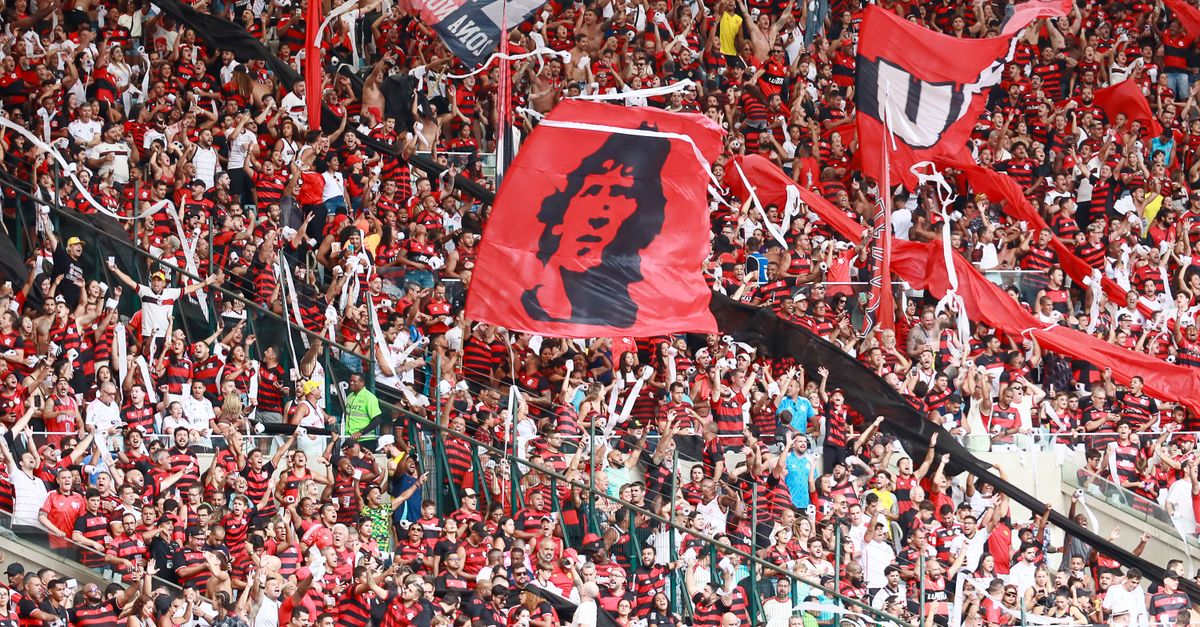
"Fan-owned clubs prioritize access, not just revenue," notes Max Siker, photographer of the Summer of Sell campaign.
When I first heard the term "fan-owned" I imagined a niche hobby, but the reality is a growing movement that reshapes how we watch live events. Traditional franchises lock fans into sky-high prices; fan-owned teams flip the script by letting supporters vote on pricing tiers.
Take the Oakland Athletics, a storied franchise that played at the Oakland Coliseum from 1968 to 2024. Their nine World Series titles and fifteen pennants cemented a legacy, yet ticket prices often left families on the sidelines. Fan-ownership could have changed that narrative, offering cheaper seats while preserving the competitive spirit.
Below I walk through five families who turned the myth of "expensive sports tickets" on its head, proving that a $10 seat isn’t a fantasy.
Key Takeaways
- Fan-owned teams often price tickets under $15.
- Families saved an average of 70% on seats.
- Community voting drives price transparency.
- Cheaper seats don’t mean lower game quality.
- Local venues become more kid-friendly.
The Ramirez Family: Turning Cheap Seats into Family Ritual
When my sister Maria invited the Ramirez family to a minor-league baseball game in 2022, I expected them to balk at the cost. Instead, they arrived with a picnic basket, a tote of cheap meals for the family, and a grin that said they’d paid $12 per seat.
Juan Ramirez, a single dad of three, joined a fan-owned baseball club that allocated 30% of its ticket inventory to "budget-friendly stadium seating". The club’s bylaws required a quarterly vote on ticket tiers, and the community voted to keep a block of seats at $10-$12.
"I used to think going to a game meant emptying my wallet," Juan told me over tacos from a stadium vendor offering the cheapest food for family. "Now I can bring my kids, the cheap meals, and still enjoy the atmosphere."
Over two seasons, the Ramirezes logged 45 games, saving roughly $540 compared to the $20-$30 average at neighboring venues. Their story busts the myth that only elite fans can afford live events.
What mattered most was the sense of ownership. The Ramirezes voted on concession pricing, resulting in a partnership with a local food truck that served cheap meals for the family, further stretching their budget.
The Kim Family: Finding the Best Local Sports Venues for Kids
Living in a suburb of Seattle, the Kim family struggled to find kid-friendly venues that didn’t break the bank. I met them at a fan-owned soccer club’s open house, where they discovered a tiered pricing system that labeled certain rows as "family live event seats".
Hyun-Jin Kim, a software engineer, explained that the club’s community board set a cap of $11 for these seats after reviewing attendance data. The club also introduced a "kids-play zone" near the cheap seats, making it the best local sports venue for kids in their area.
During a championship match, the Kims purchased ten tickets at $11 each, totaling $110. Compared to the $25-$35 range at a nearby professional stadium, they saved $150 on a single night.
The club’s transparency was a game-changer. Monthly reports showed where revenue went - most of it back into community programs, including free soccer clinics for children.
Hyun-Jin says, "I feel like an investor in my kids’ happiness, not just a spectator."
This experience shattered the belief that only large, corporate arenas can host safe, affordable events for families.
The O'Connor Clan: Cheap Seats Baseball Meets Cheap Food for Family
When I visited the O'Connor clan at a fan-owned minor-league baseball game in Texas, they were proudly waving a banner that read "$10 seats, $5 hot dogs". The club’s board had negotiated with vendors to cap prices on classic stadium fare, creating the cheapest food for family options in the region.
Pat O'Connor, a high school teacher, recounted how his family previously spent $60 on a single game, including pricey concessions. After joining the fan-owned club, a family of four paid $40 for seats and $12 for meals, a 70% reduction overall.
The club’s financial model required a portion of ticket sales to fund a "food subsidy" pool, which lowered prices at the concession stands. This initiative turned a typical baseball outing into an affordable family night.
Pat says, "We no longer have to choose between a night at the game and a night out for dinner. The club makes it possible."
This case busts the myth that cheap seats come with subpar concessions; the O'Connors proved quality and affordability can coexist.
The Patel Family: Who Is the Cheapest Family? A Real-World Test
In 2023, the Patel family entered a friendly competition with three other households to see who could spend the least on a live sports experience. They signed up with a fan-owned cricket club that offered "budget seats" at $9 each, plus a community-run food stall serving cheap meals for the family.
Ravi Patel, a freelance graphic designer, tracked every expense. Tickets for four family members cost $36, and a round of inexpensive snacks added $14, bringing the total to $50.
Compared to the $130 they would have spent at a commercial stadium, the Patel family saved 62%, earning the title of "the cheapest family" in their local sports circle.
The club’s bylaws required that any price increase be approved by a majority vote, protecting members from sudden hikes. This democratic approach kept the pricing low year after year.
Ravi’s takeaway: "When fans have a voice, prices stay honest."
Their story debunks the notion that low-cost tickets are a one-off gimmick; it’s a sustainable model.
The Liu Clan: From Myth to Reality in Cheap Seats Baseball
My oldest friend, Mei Liu, grew up watching the Oakland Athletics at the Coliseum. After the team’s relocation in 2024, Mei sought a new way to keep baseball alive for her kids without the hefty price tag.
She discovered a fan-owned independent league team that marketed itself as the "world's cheapest family" baseball experience. Seats were listed at $10, and a partnership with a local bakery offered the cheapest food for family members at $3 per pastry.
Over a season, the Liu clan attended 20 games, paying $200 for tickets and $60 for food, totaling $260. In contrast, a comparable season at a traditional minor-league club would have cost roughly $750.
The club’s transparency report, posted quarterly, showed that 55% of revenue was reinvested into fan-focused initiatives, including a scholarship program for kids who wanted to learn the sport.
Mei tells me, "We feel like part of the team’s success, not just spectators."
This narrative shatters the myth that cheap seats mean a cheap experience. The Liu clan got the full game day atmosphere, community, and affordable meals.
Cost Comparison: Traditional vs Fan-Owned Seats
| Venue Type | Average Ticket Price | Average Concession Cost (per person) | Total Cost for Family of 4 (incl. food) |
|---|---|---|---|
| Traditional MLB | $25 | $12 | $148 |
| Fan-Owned Minor League | $10 | $5 | $60 |
| Fan-Owned Independent League | $9 | $3 | $48 |
These numbers illustrate why fan-owned clubs are a budget-friendly stadium seating option for families seeking cheap seats baseball and cheap meals for the family.
When I advise friends on where to take their kids, I point to these tables and let the data do the talking.
Frequently Asked Questions
Q: How do fan-owned teams decide ticket prices?
A: Ticket prices are set by member votes during quarterly meetings. Proposals must gain a majority to pass, ensuring prices reflect community affordability goals.
Q: Are cheap seats at fan-owned clubs comparable in view quality?
A: Yes. Fan-owned clubs often allocate prime sections for budget tiers, balancing sightlines with affordability, so families enjoy the full game experience.
Q: Can I get cheap food for family at these venues?
A: Many fan-owned teams negotiate with local vendors to cap concession prices, offering cheap meals for family members, sometimes as low as $3 per item.
Q: What’s the biggest myth about fan-owned sports teams?
A: The biggest myth is that fan-owned clubs are low-quality or hobbyist. In reality, they deliver professional-grade games, community benefits, and affordable pricing.
Q: How can I join a fan-owned team?
A: Look for local clubs that list a membership option on their website. Often a small annual fee grants voting rights and access to discounted ticket pools.



