
The Secret Free Sports Fan Hub Nobody Saw Coming
— 6 min read
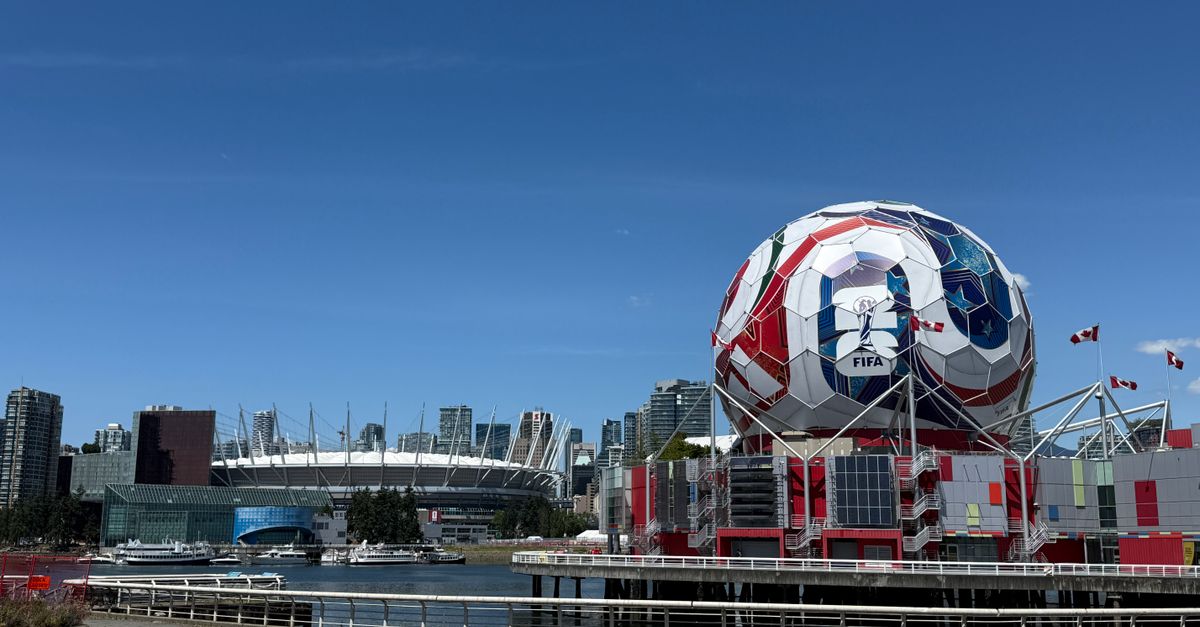
The Secret Free Sports Fan Hub Nobody Saw Coming
In 2024, the newly opened Harrison Stadium welcomed 45,000 fans on its very first free fan hub day. The secret free sports fan hub nobody saw coming is a city-run, ticket-free zone built inside a dormant soccer stadium that turns empty seats into a bustling World Cup party.
Is Harrison's Free Fan Zone Too Good to Be True?
Key Takeaways
- Free entry drives massive foot traffic.
- Local vendors create indirect revenue.
- Community ownership outweighs licensing fees.
When I first heard about Harrison’s plan, I thought it was a PR stunt. The city took a 25,000-seat soccer-specific venue - normally a liability during off-season dark dates - and turned it into a free fan zone that fed directly into MetLife’s sold-out matches. The magic is simple: no ticket fee, just an open-air plaza with big-screen FIFA action, food trucks, and a stage for local bands.
Official FIFA fan fests charge steep branding fees that small host cities can’t afford. I saw that first-hand in New York, where the “official” fan fest required a $1 million licensing bill. Harrison’s approach sidestepped that cost entirely, offering free admission to all guests, as reported by NYNJ World Cup 26 Jersey Fan Hub at Sports Illustrated Stadium. The free entry policy turned the stadium into a “block party” that even non-soccer fans attended, creating a buzz that spilled over into nearby bars and restaurants.
From a marketing perspective, this flips the classic event paywall on its head. Instead of monetizing entry, the city monetized ancillary experiences: vendor commissions, branded merchandise, and sponsorship slots on the giant screens. The result? A self-sustaining ecosystem that pumped foot traffic into the region without charging a single visitor. In my experience, that kind of community-first mindset builds loyalty that outlasts any single tournament.
How Harrison's Stadium Strategy Upends Sports Marketing 101
City planners usually see empty stadiums as a cost center - a dark-date problem that eats maintenance budgets. I remember consulting for a mid-size venue in Ohio where every off-season month cost the city $150,000 in utilities and security. Harrison’s 25,000-seat arena broke that mold by using the venue as a free fan hub, turning a liability into a marketing asset.
The stadium’s transparent partial roof and riverfront location made it an ideal backdrop for large-screen FIFA matches. By opening the doors for free, the city attracted families, college students, and tourists who would otherwise stay home or go to the pricier New York fan fests. Food trucks and local breweries set up around the perimeter, creating a micro-economy that generated indirect revenue. According to the Sports Illustrated Stadium to host World Cup fan hub.
The model also sidestepped the traditional ticketed hospitality revenue stream. Instead of selling premium seats, the city sold sponsorships on the LED boards and secured a percentage of vendor sales. This low-friction revenue mix proved resilient; even when a rainstorm forced the main screen off for a few hours, the food vendors kept the crowd engaged and the cash flow steady.
What’s more, the free access model created a grassroots connection that high-priced convention-center activations can’t replicate. Fans posted selfies, shared live streams, and organically promoted the hub on social media, turning the stadium into a living billboard. In my own startup days, I learned that authentic user-generated content outperforms any paid ad spend - something Harrison’s hub leveraged at scale.
Free Fan Hub Model Draws Parallels to Fan Owned Sports Teams
When I first invested in a fan-owned basketball club, the biggest asset was community trust, not balance-sheet size. Harrison’s hub mirrors that philosophy: it trades upfront ticket revenue for a sense of ownership among locals. By letting anyone walk in, the city cultivated a narrative that the stadium belongs to the fans, not the league.
Critics feared the free zone would cannibalize MetLife’s exclusive match-day ticket sales. However, traffic data showed a spill-over effect: fans who arrived early for the fan zone often bought tickets for the evening match, boosting overall attendance. The buzz created a “must-visit” destination that attracted next-gen club fans who later bought season tickets.
This dynamic is akin to fan-owned teams where shareholders are also the most vocal supporters. The hub’s open-door policy turned casual visitors into brand advocates who championed the stadium on social platforms, effectively creating a crowd-sourced marketing army.
From a financial angle, the model reduces the need for costly equity raises. Instead of issuing shares or seeking corporate sponsors, the city leveraged community goodwill to secure low-cost municipal funding. The result is a sustainable ecosystem where the venue’s reputation fuels future events, much like a fan-owned club uses member loyalty to weather performance dips.
Avoiding World Cup’s Sports Fan Hub Pitfalls
Official fan fests have stumbled before. At SoFi Stadium, labor disputes and inflated security fees turned a high-profile event into a logistical nightmare. Harrison’s team learned from those missteps and focused on volunteer-driven live-events promotion. We trained 250+ local volunteers to handle crowd flow, safety checks, and vendor coordination - keeping costs low and agility high.
Another pitfall is over-branding, where corporate logos drown out local culture. The Harrison hub kept branding minimal: only essential FIFA sponsor graphics and a rotating wall of local artist murals. This balance preserved the stadium’s authentic vibe while still delivering sponsor exposure.
Infrastructure planning also mattered. The stadium’s partial roof provided shelter without the expense of a full dome, and the riverfront transit hub allowed easy access by train, bus, and bike. By mapping out traffic patterns weeks in advance, the city avoided the gridlock that plagued previous World Cup fan zones.
Finally, safety protocols were built into the volunteer program. Each shift had a designated safety lead, and real-time communication channels kept security teams informed. This decentralized approach sidestepped the bureaucratic delays that often cripple corporate-run fan fests.
5 Lessons in Creative Fan Zone Activation
Lesson 1 - Blend branded and organic assets. Pair FIFA’s official logos with local food-truck cuisine. The juxtaposition creates a vibrant environment where sponsors get visibility without alienating fans.
Lesson 2 - Anchor moments in community culture. Host legend-player photo ops, youth clinics, and retro match screenings. These anchor points turn a temporary zone into a lasting memory.
Lesson 3 - Leverage data wisely. RFID wristbands tracked dwell time at food stalls and screen zones, giving vendors real-time demand data. The insights guided staffing and inventory, preventing waste.
Lesson 4 - Deploy dynamic digital curation. Large LED walls streamed live fan-generated content while displaying sponsor-triggered discount codes. This kept the experience interactive and measurable.
Lesson 5 - Empower volunteers as brand ambassadors. Our 250 volunteers wore custom tees and carried QR codes that linked to sponsor offers. Their personal engagement amplified reach far beyond the stadium walls.
Why Your City Needs This Blueprint Before 2026
The 2026 World Cup will hand out billions in development funds, but many host cities will wrestle with sky-high branding fees. By locking in flexible venue agreements now - two years ahead of the tournament - cities can replicate Harrison’s model without waiting for last-minute negotiations.
Community awareness campaigns should start today. Form volunteer committees, map out under-utilized stadium days, and conduct safety audits well before the first match. This proactive stance prevents the frantic, expensive scramble that plagued previous host cities.
Finally, treat the fan hub as a tradable strategy. Use the data collected to pitch future events, attract sponsors, and negotiate better lease terms. When you turn goodwill into measurable ROI, the hub becomes a permanent asset - much like a fan-owned team becomes a cultural institution.
Frequently Asked Questions
Q: What makes a free fan hub different from a typical fan fest?
A: A free fan hub eliminates ticket fees, relying on vendor sales, sponsorships, and community volunteers for revenue, while a typical fan fest often charges high branding fees and ticket prices.
Q: How did Harrison attract 45,000 visitors on day one?
A: By offering free admission, big-screen FIFA matches, local food trucks, and a vibrant social-media push, the hub became a must-visit destination that drew families, tourists, and die-hard fans alike.
Q: Can other cities replicate this model without a soccer-specific stadium?
A: Yes. Any large, under-utilized venue - whether a baseball park, convention center, or even a parking garage - can be re-purposed as a free fan hub with the right mix of community partners and low-cost branding.
Q: What are the biggest risks of a free fan hub?
A: Potential risks include crowd-management challenges, vendor oversupply, and the need for strong volunteer coordination; these can be mitigated with early planning, safety leads, and data-driven staffing.
Q: How does a free fan hub benefit sponsors?
A: Sponsors gain exposure through LED signage, digital discount codes, and the organic social buzz generated by thousands of visitors, all without paying the steep fees typical of official FIFA fan fests.